
The USDA Launches $700 Million Regenerative Agriculture Pilot Program
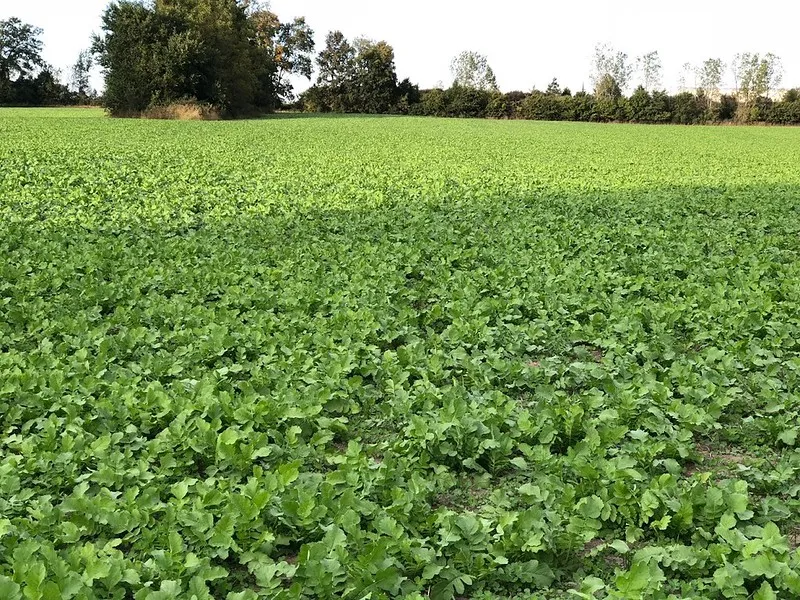
Photo by Ricardo Costa, MSU Extension
The USDA will invest up to $700 million in a new regenerative agriculture pilot program aligned with the Trump administration’s Make America Healthy Again (MAHA) agenda. The announcement was made by Agriculture Secretary Brooke Rollins and Health and Human Services Secretary Robert Kennedy Jr.
The initiative will use $400 million from the Environmental Quality Incentives Program and $300 million from the Conservation Stewardship Program, while leveraging private-sector funds. It will expand conservation practices such as cover crops and reduce reliance on pesticides and fertilizers.
Rollins emphasized the link between soil health, farm productivity and national well-being, citing challenges such as high rates of obesity and poor fitness among young adults. Officials said regenerative agriculture efforts will connect with new SNAP food-purchase restrictions and influence how states access federal rural health care dollars.
Kennedy said that reducing chemical dependence and boosting soil microbiome health are core MAHA goals. He said that improved soil health leads to more nutrient-dense crops and praised farmers who are already adopting regenerative methods.
The pilot will use streamlined applications and focus on whole-farm planning, measuring outcomes and crediting improvements back to producers. The National Resources Conservation Service will provide technical assistance. The program will also leverage private partnerships under the SUSTAINS Act to match federal investments. Rollins added that regenerative agriculture will be integrated into the USDA’s Office of Urban Agriculture.
Read more about the regenerative agriculture pilot program here.