
TOP AG NEWS

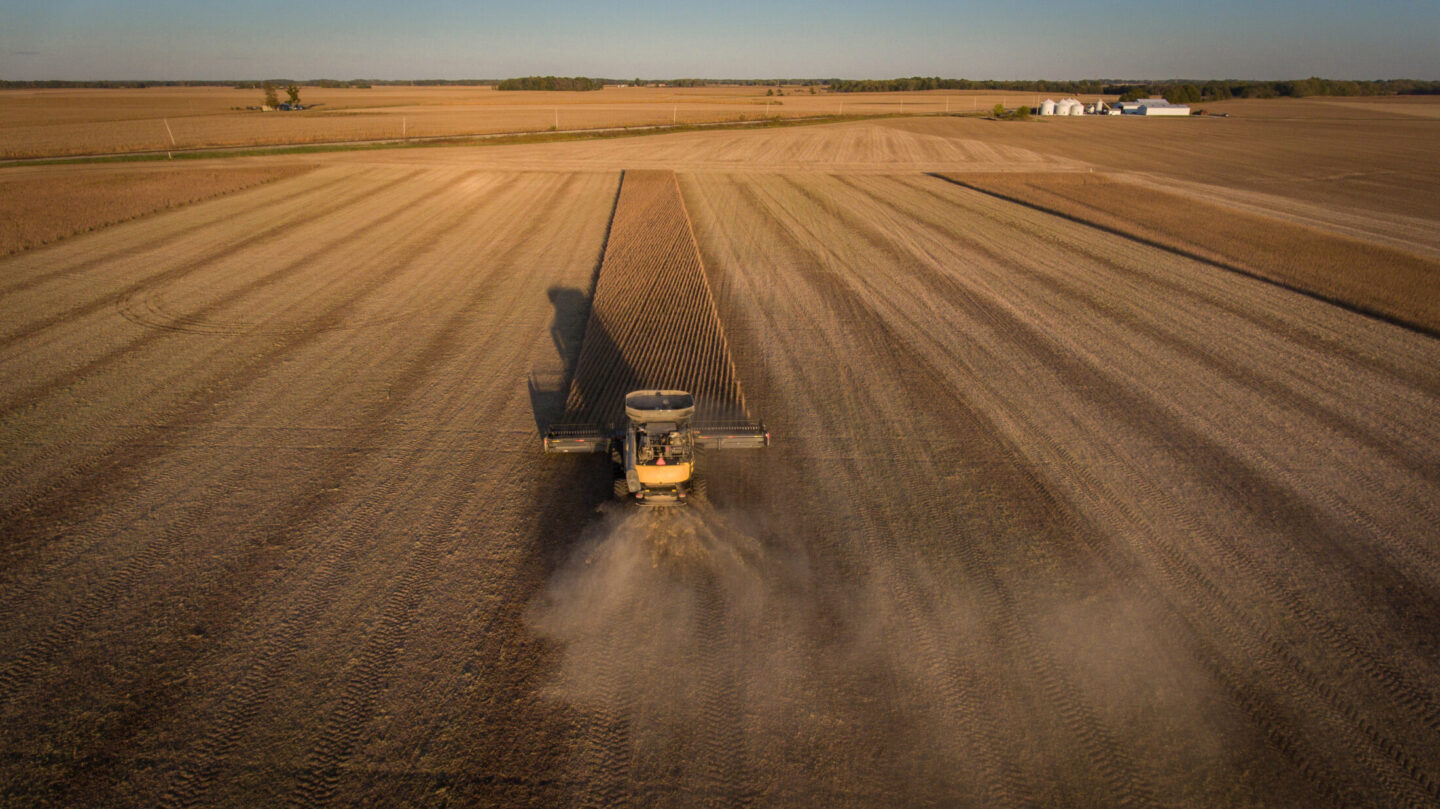
USDA Crop Progress Report: Corn and Soybean Harvest Inch Closer to the Five-Year Average
The latest USDA Crop Progress Report shows harvest moving along in key states, though both corn and soybeans remain slightly behind the five-year average pace. Sunny, warm weather east of the Rockies should make for a good week of harvest and fieldwork, while showers in the West bring needed moisture but slow progress, according to DTN Ag Meteorologist John Baranick.
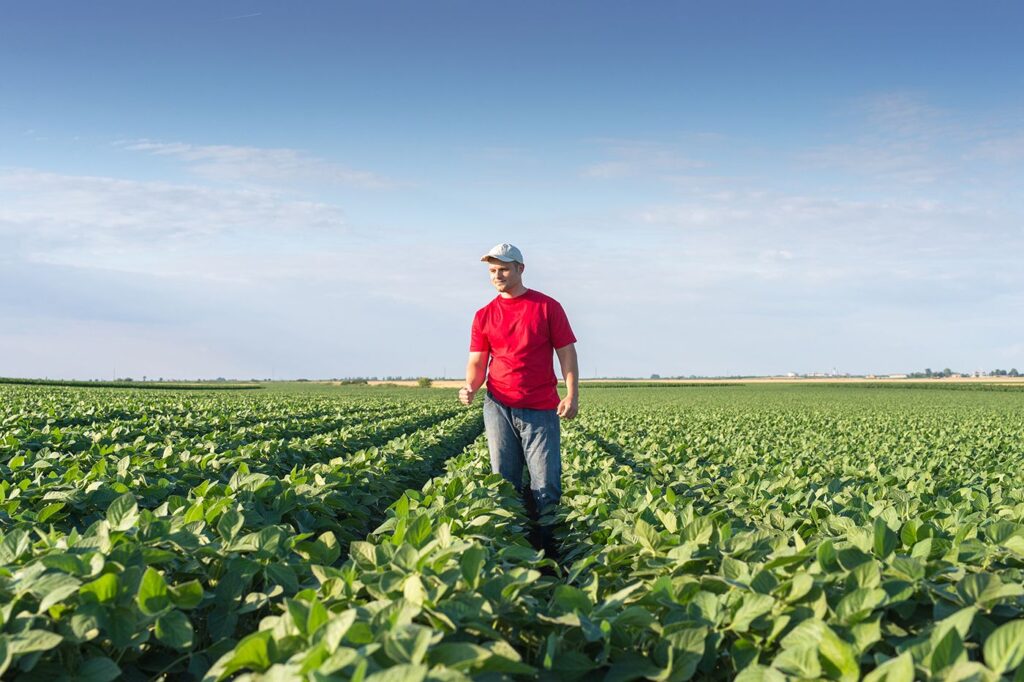
Farm Families Weigh Higher Healthcare Premiums Against Off-Farm Income
Health insurance can be a significant expense for self-employed farm and ranch families, and a recent Agweek article looks at how rising premiums, high deductibles and prescription costs are affecting rural households.
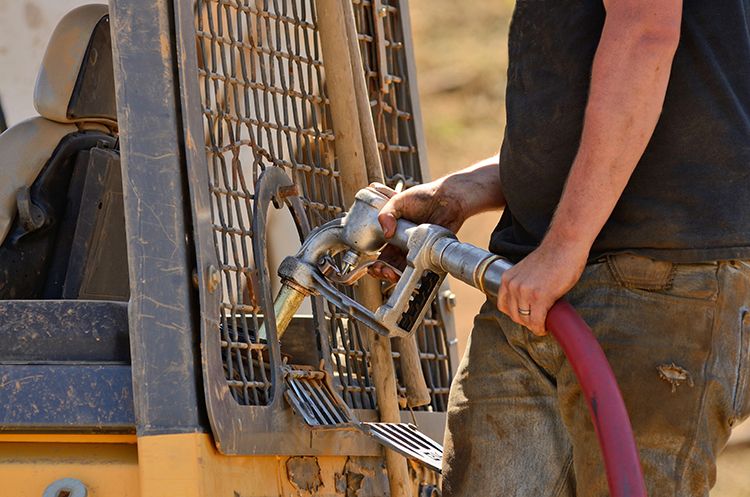
DTN Poll Nearly 86% of Producers Say High Diesel Costs Are Significantly Hitting Profitability
A recent DTN survey found that nearly 86% of farmers say record-high diesel prices are affecting their farm's profitability "a great deal" or "moderately" heading into harvest.
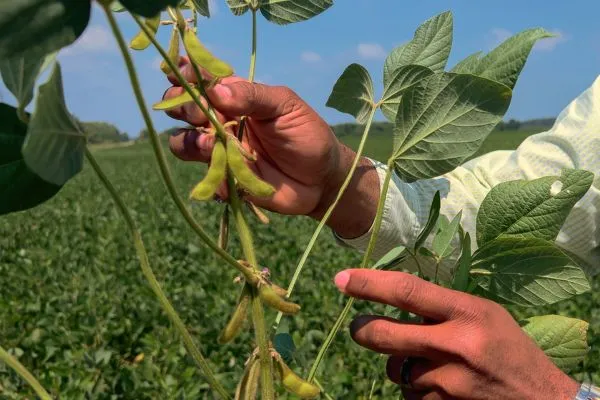
New Soybean Pest Spotted in More Midwest Fields: Where to Scout First
A new pest is showing up in Midwest soybean fields and it’s one that researchers recommend farmers should keep an eye on.
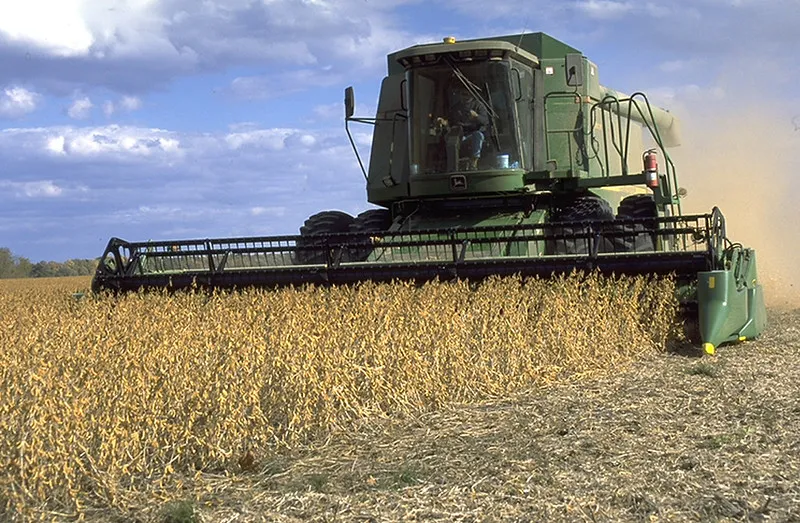
USDA Crop Progress Report: Dry Week Moves Harvest Along, but Corn and Soybeans Still Trail Average
The latest USDA Crop Progress Report was released on Tuesday due to the holiday. Dry conditions helped corn and soybean harvest advance, although both remain behind the five-year average pace.
Ag News Roundup: Record ARC and PLC Payments, CRP Dollars, Federal Grazing Plans and Vietnam Trade Talks
Here's a look at what's headlining ag news this past week, from farm safety net payments, grazing policy, seed research and trade news.
October WASDE Report: Corn Yield Jumps Sharply to 181.2 BPA
The USDA's October WASDE report sharply bumped national corn yield by 2.7 bushels per acre to 181.2, surprising traders who expected closer to a 0.7-bushel cut. Corn production rose 234 million bushels to more than 16 billion, putting it 200 million bushels over last year. 2026/2027 U.S. corn ending stocks jumped 282 million bushels to 1.849 billion, higher than expectations but still within range.
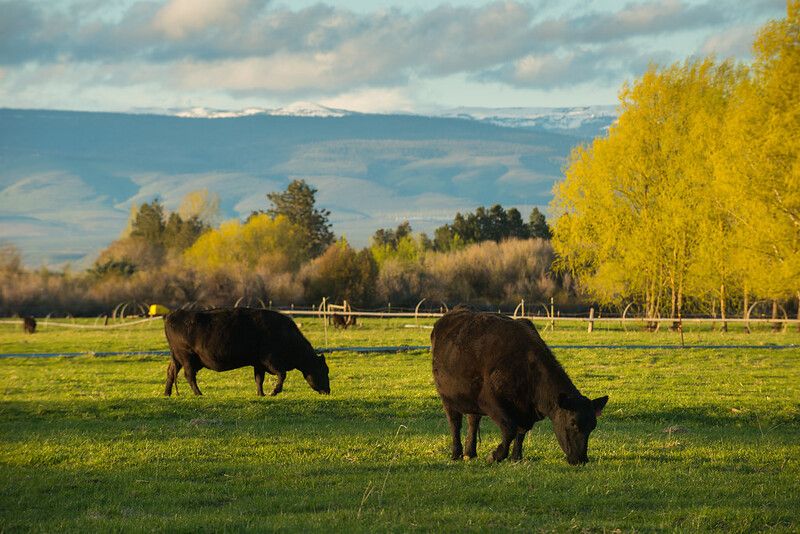
Analyst Weighs How Drought, Imports and Plant Changes Could Play Out for Q4 Cattle
Drought, beef imports and packing plant changes are setting up for a bumpy fourth quarter for the cattle market, according to Terrain senior research analyst Dave Weaber. In his Q4 cattle and beef outlook, Weaber points to data showing that by the end of summer, more than 80% of the U.S. cattle inventory was in areas that were abnormally dry or worse.

Commodity Groups React to Diesel Tax Relief Executive Order
An executive order was signed by President Trump on October 5 to allow the purchase of off-road diesel, or dyed diesel, on highways from October 5 through December 31, 2026. For farmers in the thick of harvest, fuel supply and cost are front and center.
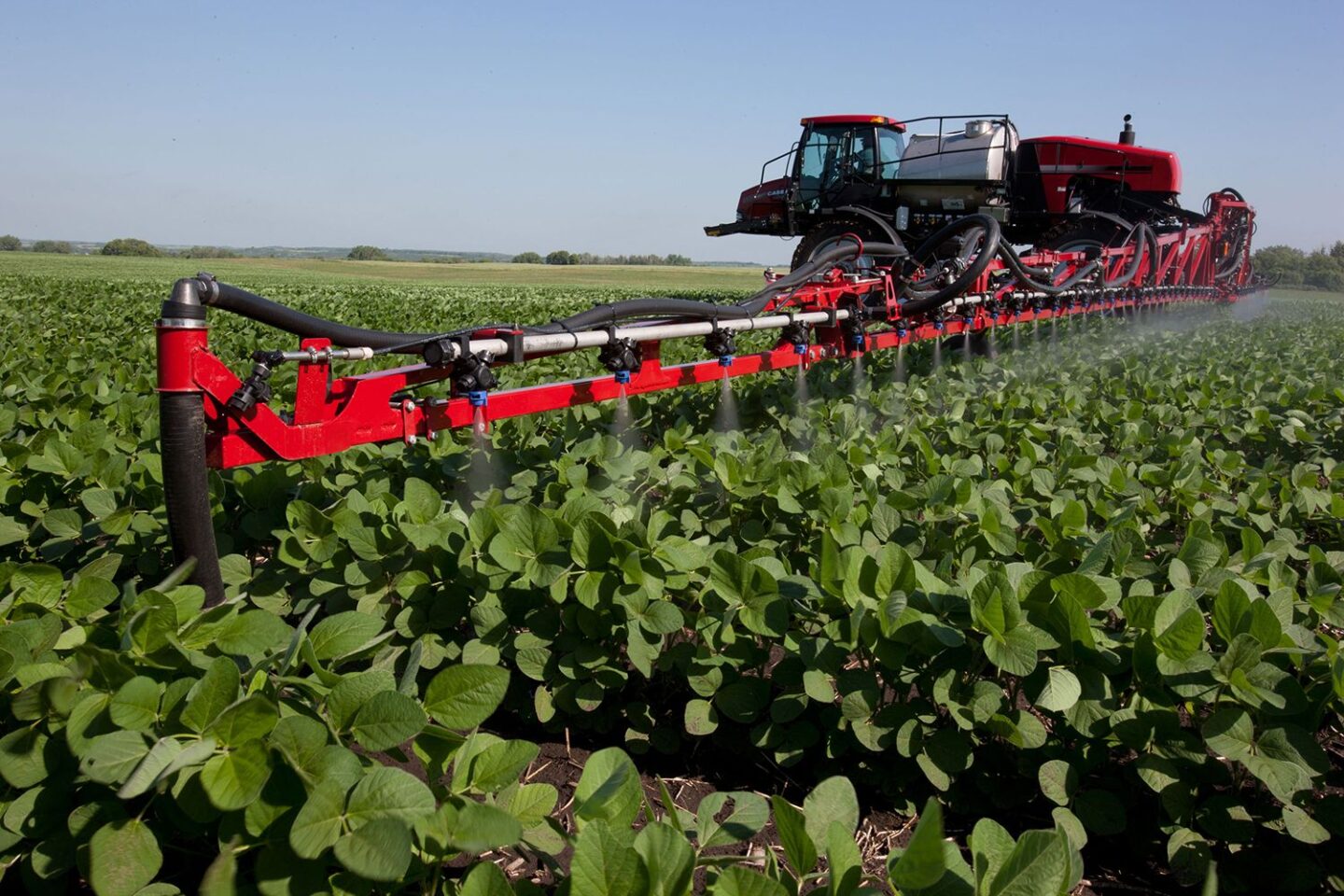
Economists Weigh the Factors Driving Fertilizer Prices for Spring 2027
With global supply, production costs and geopolitics all in flux, farmers face a tough call on how much 2027 fertilizer to price this fall. Corey Rosenbusch of The Fertilizer Institute says the impact varies by input.