
1936-1945: A Decade of Recovery, Resilience and War
1936–1945: A Decade of Recovery, Resilience and War
A Look Back as ProAg Marks 100 Years, For Generations
In 1936, the United States was still emerging from the depths of the Great Depression. For agriculture, the hardships of the early 1930s had not faded, but new systems, policies and technologies were beginning to reshape how risk was understood and managed. By the time the decade closed in 1945, American agriculture had been transformed by the global conflict of World War II, due to unprecedented production demands that required the nation to produce planes, ships, tanks, and guns, as well as permanent changes to the nation’s farm safety net.
This period marked a critical turning point. It was a decade defined by recovery efforts from the Dust Bowl and Great Depression at home and wartime mobilization, with farmers and ranchers playing a central role in both.
Crop Insurance History, 1936-1945
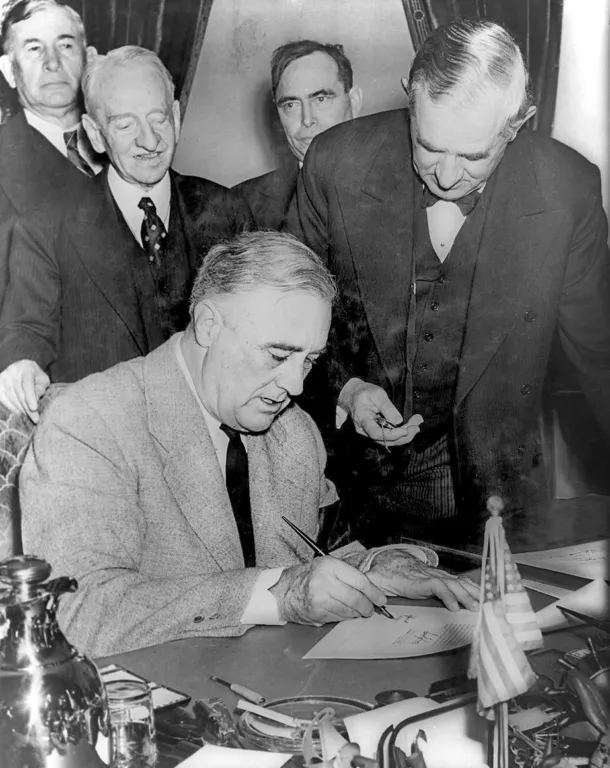 The most significant crop insurance milestone in American history occurred during this decade.
In 1938, Congress created the Federal Crop Insurance Corporation (FCIC), marking the first permanent federal crop insurance program in the United States. The program was initially limited in scope, offering coverage primarily for wheat, which at the time was one of the nation’s most widely produced and economically important crops.
Early federal crop insurance focused on yield loss protection rather than revenue and relied heavily on historical production data collected through the New Deal era agricultural programs. The program began with only covering the commodity of wheat, and in 1941 added cotton as the second major crop. Participation was limited, and the program faced challenges related to cost, coverage levels, farmer adoption and even bankruptcy. Even so, FCIC represented a fundamental shift in how agricultural risk was addressed at the national level.
For the first time, crop insurance became a structured federal tool designed to help farmers recover from unavoidable production losses. The creation of FCIC laid the foundation for the modern crop insurance system, which would expand, evolve and mature in the decades that followed.
What Everyday Life Cost – 1936 Compared to 1945
The end of the Great Depression and the demands of World War II reshaped prices, wages and consumer access. While incomes rose during the war years, shortages and rationing became part of daily life.
| Item | 1936 Price | 1936 Price (Today’s $) | 1945 Price | 1945 Price (Today’s $) |
| Gasoline (per gallon) | ~$0.19 | ~$4.10 | ~$0.15 | ~$2.70 |
| Milk (per gallon) | ~$0.47 | ~$10.10 | ~$0.63 | ~$11.30 |
| Eggs (per dozen) | ~$0.33 | ~$7.10 | ~$0.60 | ~$10.80 |
| Average New Car Price | ~$600 | ~$12,900 | ~$1,200 | ~$21,600 |
| Median Home Value | ~$3,900 | ~$84,000 | ~$5,500 | ~$99,000 |
By 1945, price controls and rationing influenced availability as much as cost. For many families, especially those in rural areas, access to goods mattered more than price alone.
Presidents and National Leadership During the Decade
Two presidents guided the country through recovery and war during this period.
- Franklin D. Roosevelt (1933–1945) continued the New Deal, a series of programs that created jobs building roads, bridges and public buildings and established social safety nets like Social Security. He led the nation through most of World War II and oversaw the expansion of agricultural programs and the development of federal risk management tools.
- Harry S. Truman (1945–1953) assumed office in April 1945 and led the nation through the final months of the war and its immediate aftermath.
Defining American Events, 1936–1945
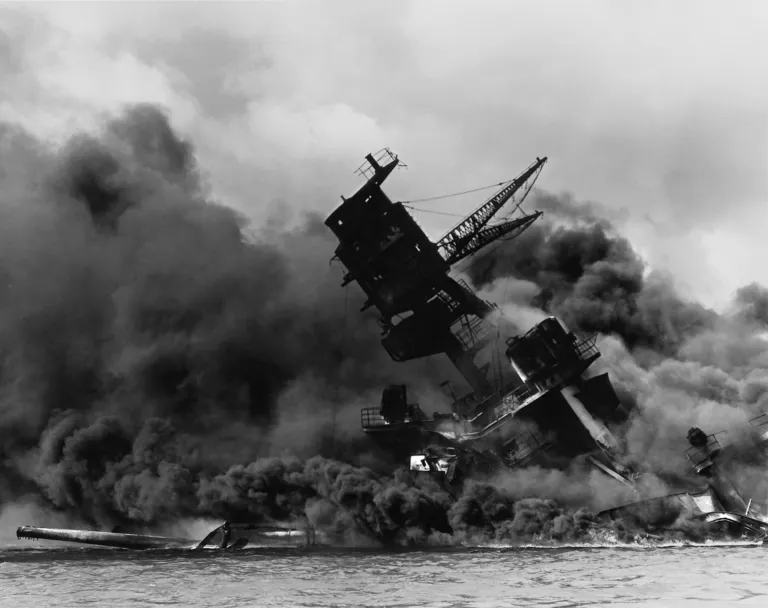
This decade was shaped by global conflict and national mobilization.
- In the late 1930s, the United States continued efforts to recover economically while tensions escalated overseas.
- In December 1941, the attack on Pearl Harbor brought the U.S. into World War II.
- Wartime production surged, transforming factories, transportation networks and farms.
- In 1945, World War II ended, ushering in a new era of global leadership and economic expansion.
Agriculture Answers the Call
American agriculture became a cornerstone of the war effort.
Farmers were asked to produce more food and fiber than ever before, often with fewer workers as millions of men served overseas. Mechanization accelerated, fertilizer use expanded, and efficiency became essential. Women, youth, and older workers stepped into critical agricultural roles, keeping farms operational during labor shortages.
Government programs encouraged maximum production while managing prices and supplies. Despite rationing and controls, farm income improved during the war years, helping agriculture recover from the prolonged struggles of the early 1930s.
This decade reinforced the strategic importance of agriculture, not only to the national economy but to global stability.