
Farm Labor Policy Shifts as H-2A Wages Change and Leadership Turns Over
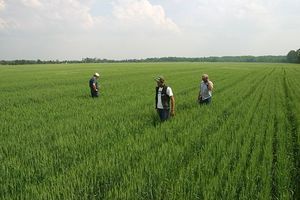 New Rule May Reduce H-2A Farmworker Wages Across Key States
A new federal rule tied to the H-2A visa program could reduce farmworker wages by as much as $5 per hour, reshaping how pay is calculated for seasonal agricultural labor. The policy changes the methodology for setting wage rates, creating different pay tiers based on job classifications rather than a single standardized rate. Supporters argue the adjustment may help farmers manage rising labor costs. At the same time, critics say it could lower earnings for both H-2A workers and domestic farm labor by putting downward pressure on wages.
The rule has already prompted legal challenges from labor groups, who argue it may conflict with requirements that foreign worker wages not undercut U.S. workers. The change highlights the agriculture sector’s reliance on the H-2A program amid ongoing labor shortages. For farmers, the shift may influence hiring strategies, labor availability, and overall cost structures heading into future growing seasons.
Labor Leadership Change Announced
Keith Sonderling has been named acting U.S. Labor Secretary following the departure of former Secretary Lori Chavez-DeRemer. Sonderling, who previously served as deputy labor secretary, steps into the role at a time of transition for the department and broader federal labor policy.
The leadership change comes as the Department of Labor continues to oversee key areas affecting agriculture, including wage regulations, labor programs, and enforcement tied to farm employment. For farmers, shifts in department leadership may influence how labor policies are implemented or prioritized, particularly around programs like H-2A and broader workforce regulations.