
USDA Expands Livestock Insurance Options as LRP Use Surges
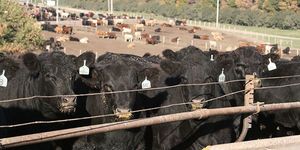 USDA’s Risk Management Agency (RMA) is rolling out a broad set of updates to its livestock insurance programs beginning with the 2027 crop year, expanding flexibility across Livestock Risk Protection (LRP), Livestock Gross Margin (LGM), and Dairy Revenue Protection (DRP).
What is LRP?
LRP insurance protects against declining market prices (as determined by the USDA Agricultural Marketing Service). Farmers and ranchers can choose a coverage price ranging from 70-100% of the Expected Ending Value. At the end of the insurance period, if the actual ending value is below the coverage price, the insured may receive an indemnity payment for the difference between the coverage price and the actual ending value.
Anticipated LRP updates starting with the 2027 crop year include:
- Expanding guidelines for the forage disaster exemption to address extended drought and other natural disasters and include specific grazing dates during which the exemption may apply.
- Increasing the maximum weight threshold for Fed Cattle types.
- Extending Cull Cow coverage to a maximum of 52 weeks.
- Adding three new feeder cattle types, Unborn Bulls and Heifers Weight 2, Unborn Brahman Weight 2, and Unborn Dairy Weight 2, with a weight range of 6.0 to 9.0 hundredweight (cwt), broadening coverage options for producers with unborn livestock.
USDA also announced updates designed to simplify program administration, align subsidy rules and allow concurrent coverage across similar livestock programs.
The announcement comes as participation in livestock insurance continues to grow rapidly, with farmer-paid premiums increasing from $13 million in 2018 to $1.7 billion in 2025. USDA officials say the changes reflect farmer and rancher feedback and are intended to strengthen risk management tools at a time of historically high cattle values and increased market volatility.
For additional support in evaluating these policies, contact your local ProAg independent crop insurance agent.