
TOP AG NEWS

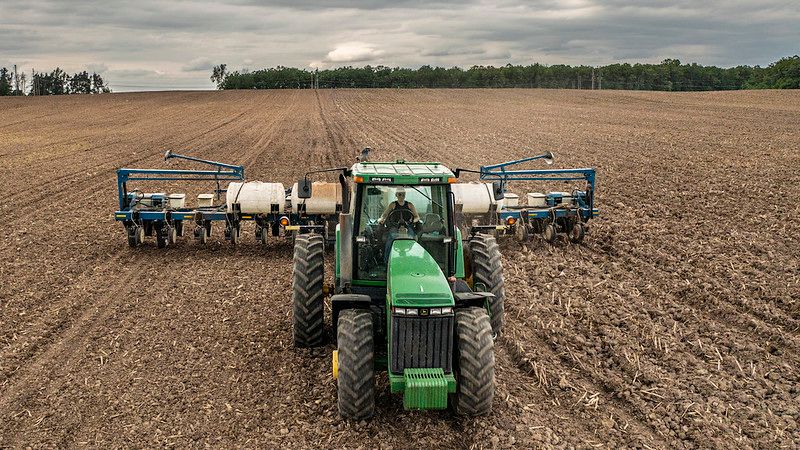
USDA Prospective Plantings Report Signals Fewer Corn Acres, More Soybeans in 2026
The USDA released the annual Prospective Plantings report yesterday, offering a first look at 2026 planted acreage projections for corn, soybeans, wheat and cotton.

NCIS Highlights Record Crop Insurance Growth in New Video Series
The National Crop Insurance Services (NCIS) just released two new short videos highlighting the continued strength and nationwide reach of the federal crop insurance program in 2025 — a record-setting year for farmer participation and protection.
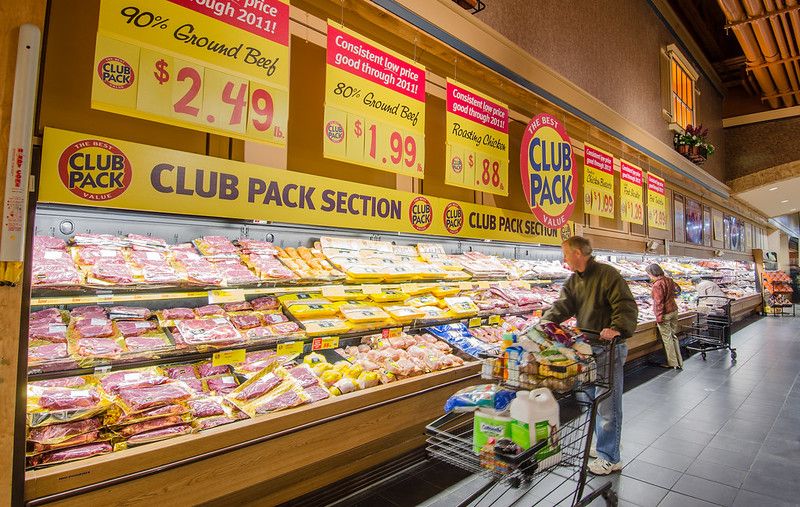
Farmers Get Less Than 6 Cents of Every Food Dollar
New USDA data shows farmers and ranchers received just 5.8 cents of every food dollar in 2024, a slight decline from the previous year and a reminder of how little consumer spending reaches the farm.
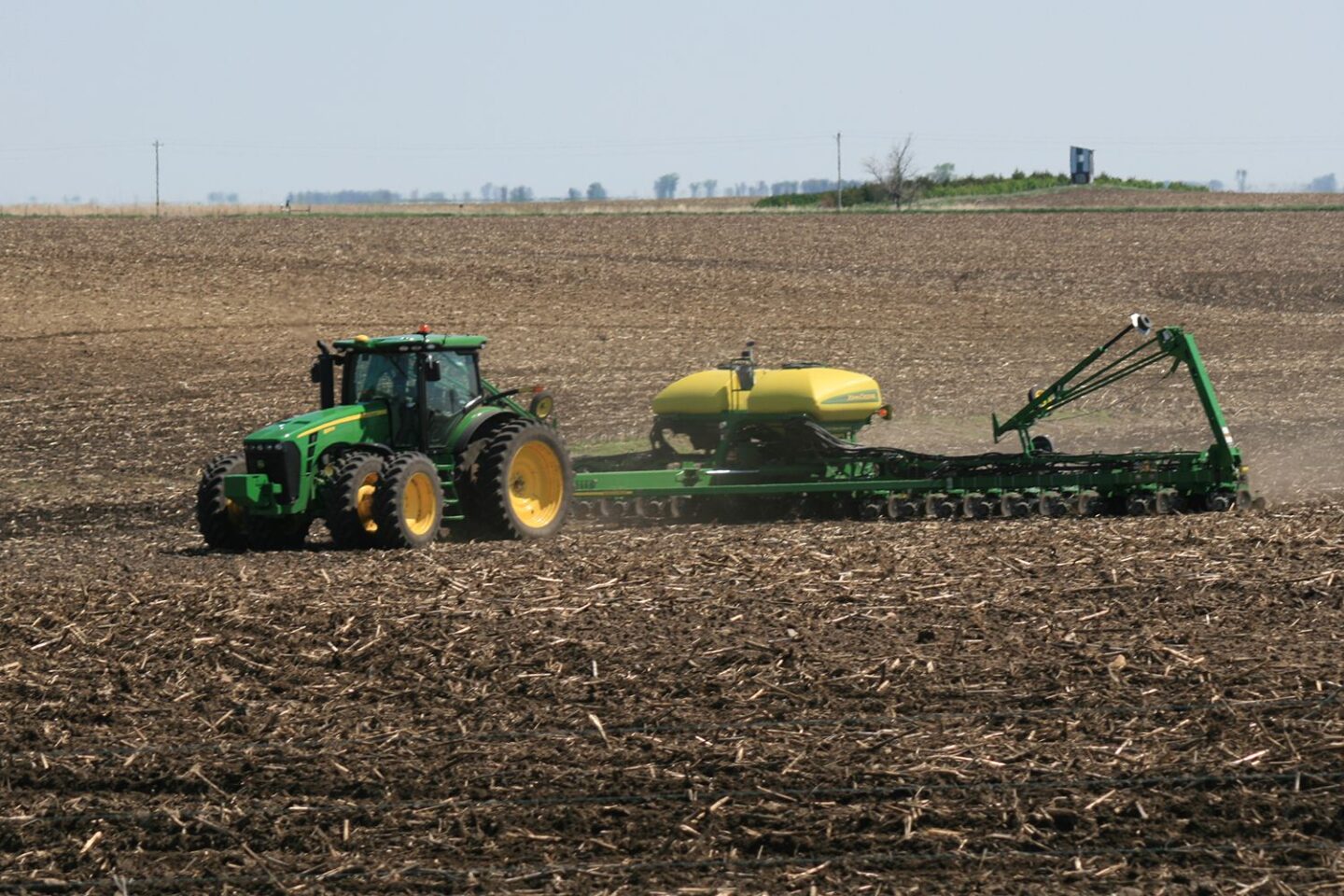
Farmers Shift Acres from Corn to Soybeans Ahead of 2026 Planting Season
The 2026 Kluis/Successful Farming Planting Intentions Survey shows U.S. producers plan to plant fewer corn acres in 2026 while shifting more ground to soybeans and reducing wheat acreage.

EPA Grants Fifth Straight E15 Waiver
The U.S. Environmental Protection Agency (EPA) has approved a waiver allowing the continued sale of E15 gasoline through the summer of 2026, marking the fifth consecutive year the agency has taken this step.
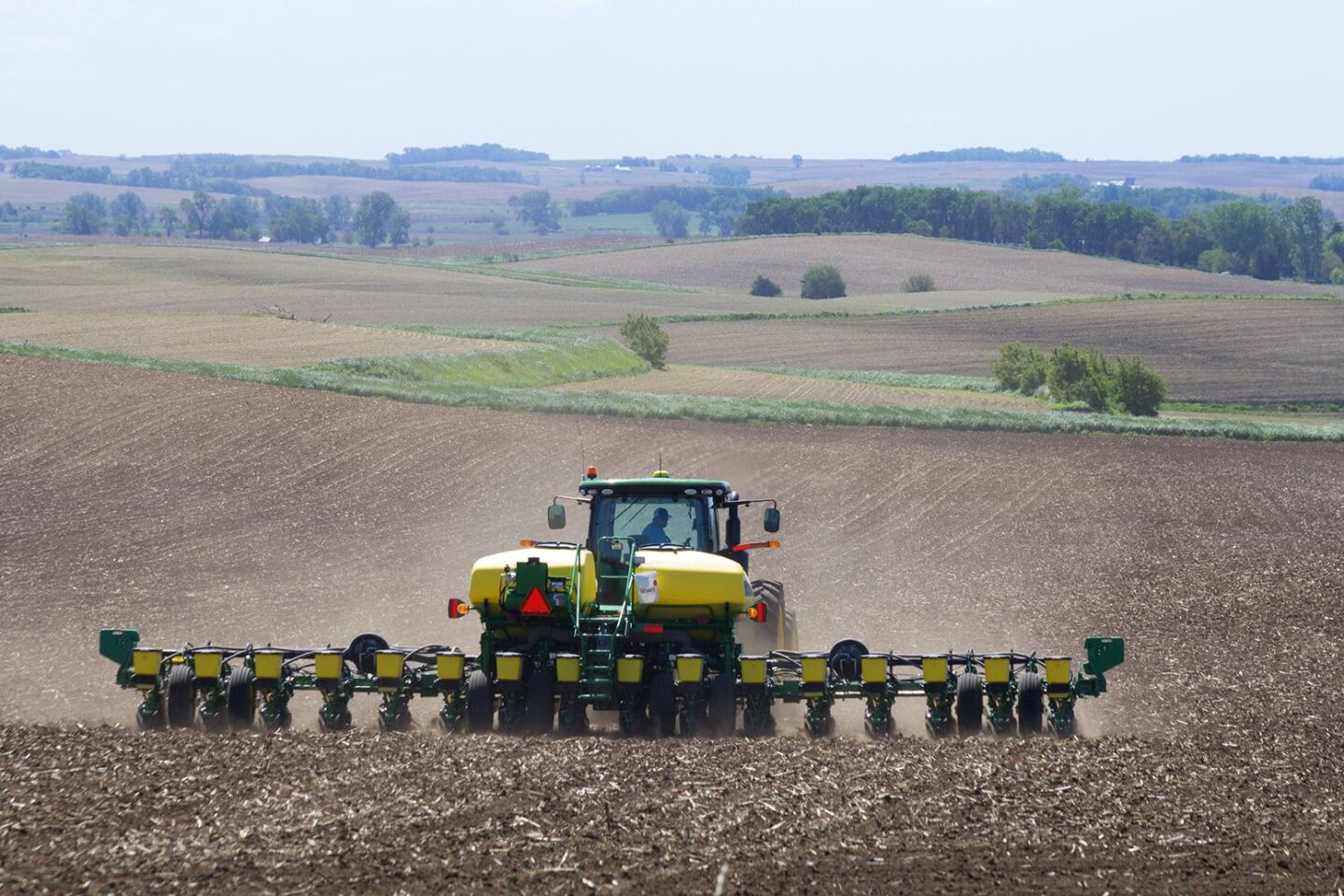
Early Soybean Planting: Managing Risk for Higher Yields
Numerous university research trials have shown that planting soybeans earlier can improve yield potential, and recent warm temperatures in the Midwest may have farmers considering getting into the field sooner than usual.
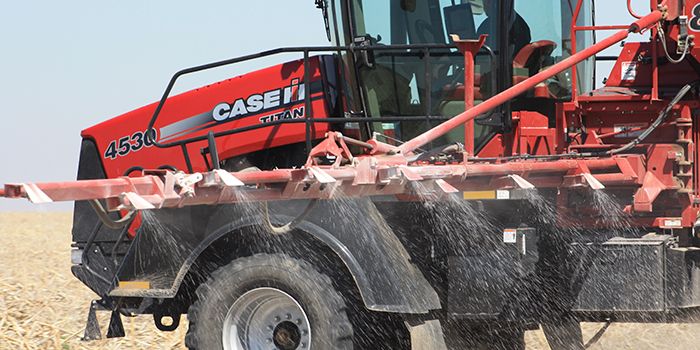
New Bill Aims to Increase Fertilizer Price Transparency Ahead of Planting Season
A bipartisan group of U.S. senators is pushing for greater transparency in fertilizer pricing as farmers face rising input costs ahead of planting season.

Livestock Risk Protection (LRP) Helps Protect Beef-on-Dairy Revenue
Strong beef-on-dairy returns are creating new revenue opportunities for dairy farmers, but they also introduce greater exposure to price volatility.

Farmers Weigh Costs of the Jones Act
President Donald Trump recently issued a 60-day waiver of the 1940s-established Jones Act to allow foreign vessels to transport goods between U.S. ports in response to rising fuel prices tied to the Iran conflict.

Ag Policy and Market Update: Local Funding, Trade Tensions and Farmer Advocacy in Focus
From new USDA funding to shifting trade dynamics, several key updates could influence farm decisions in the months ahead. Here’s a quick look at this week's important agriculture industry updates.