
TOP AG NEWS

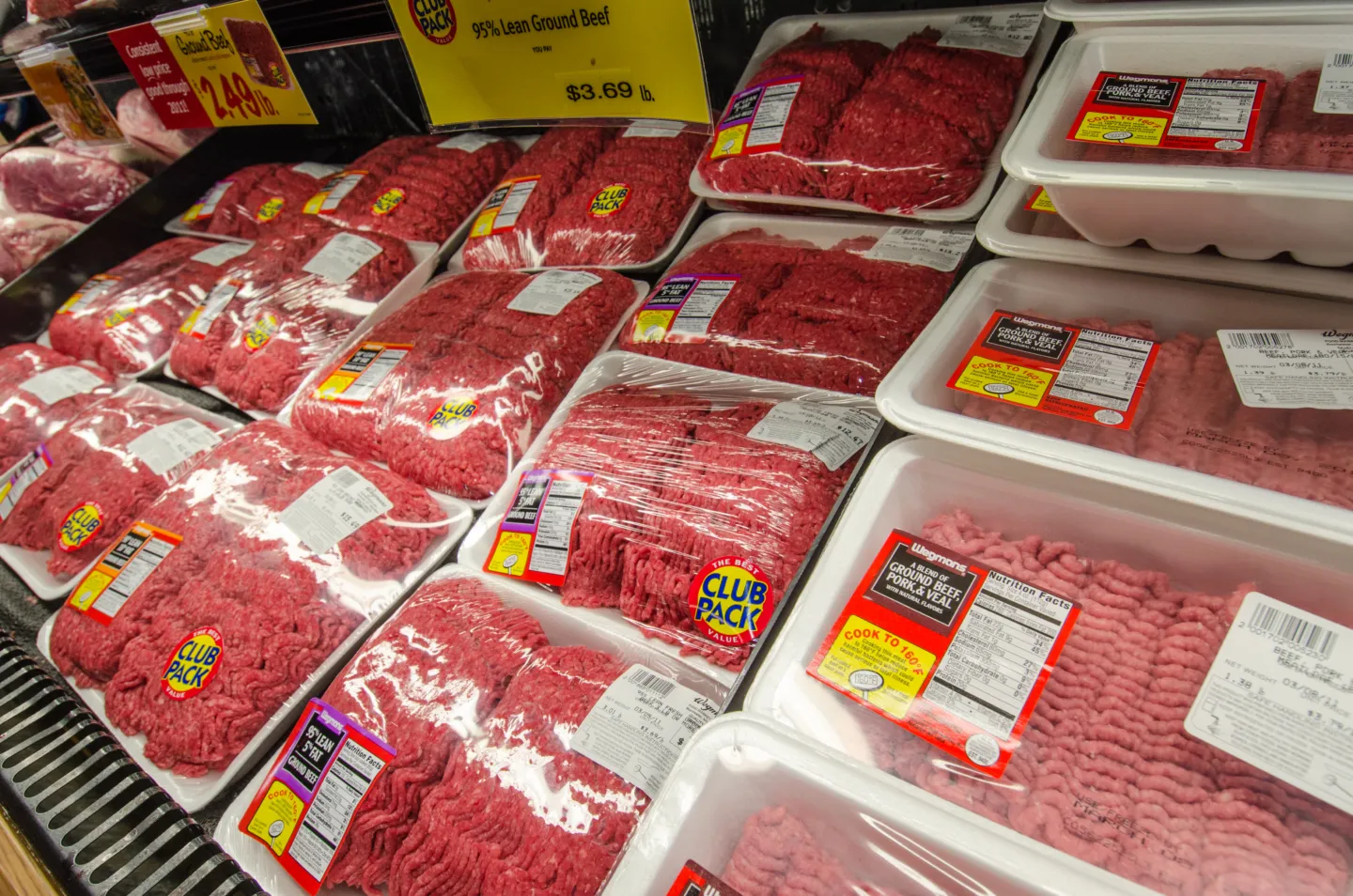
Cargill Workers Reach Deal to Reopen Fort Morgan Beef Plant
Unionized workers at Cargill's Fort Morgan, Colorado, beef processing plant voted to approve a new contract. The agreement resolves a labor dispute and clears the way for the facility to resume cattle slaughter after a pause since April. A new five-year contract raises base pay for workers by $1.40 per hour in year one.

USDA Crop Progress Report: Corn and Soybean Ratings Continue to Dip, Spring Wheat Harvest Ahead of Pace
The USDA weekly Crop Progress Report, released Monday, showed corn conditions down a point at 60% good-to-excellent while soybeans slipped to 61%, with both crops trailing last year's pace. Crop development for both crops remains ahead of last year and the five-year average as the season moves toward late-summer maturity.
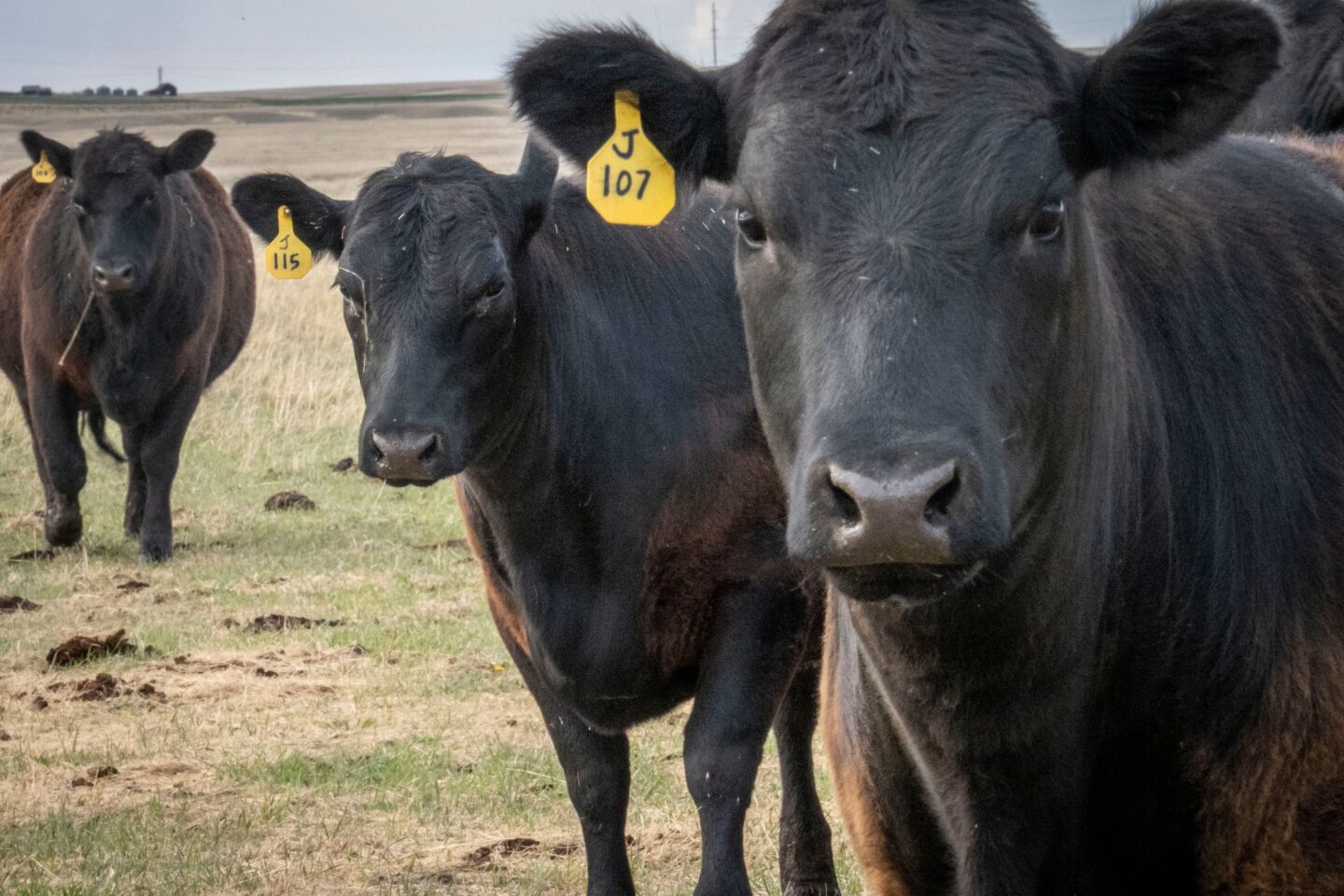
Cattle Futures Slide as Tyson Plant Closure and Rising Corn Costs Add Pressure
Cattle prices took a hit for the week ending Aug 10, as tighter fed cattle supplies kept the market on edge, with a few near-term factors adding to the pressure on futures. The USDA’s August 12 WASDE report cut 2025/2026 corn ending stocks, pushing December corn futures higher and squeezing feeder cattle economics.

USDA Extends SDRP Application Deadline to September 30, Adds Quality Loss Flexibility
The USDA Farm Service Agency (FSA) announced an extension to the application deadline for Stages 1 and 2 of the Supplemental Disaster Relief Program (SDRP) to September 30, 2026, giving farmers more time to apply for assistance tied to 2023 and 2024 crop losses. The USDA is also easing documentation requirements for quality-related losses, now accepting verifiable third-party records, such as grading factors or nutrient test results, along with added flexibility for crops sold for a final use different from the originally intended one.
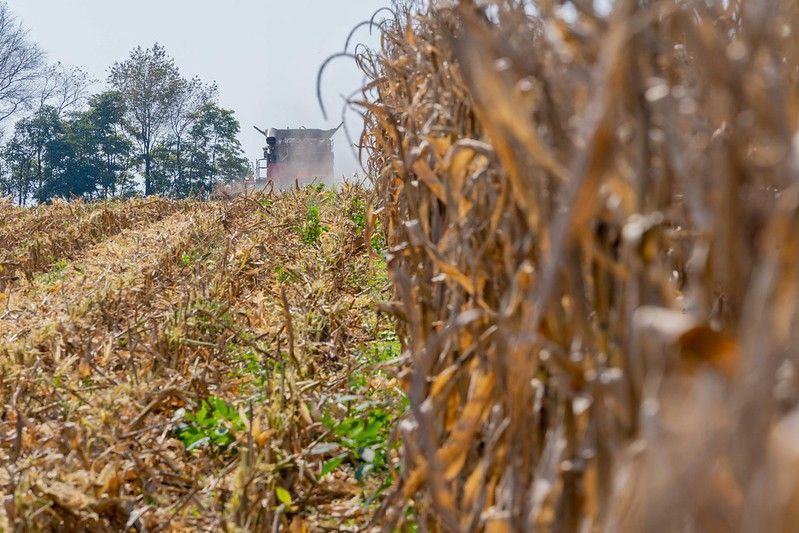
August WASDE Report Projects Bigger Corn Crop, Tighter Wheat Supplies
The USDA August WASDE report brought a few notable revisions across the major row crops. Corn production was raised slightly to 16.01 billion bushels (16 billion in the July report) on a projected yield of 180.7 bushels per acre (down from 183 in the July report).

USDA Announces New Crop Insurance Payment Flexibilities, Prevented Planting Option
Announced in a release this past week, the U.S. Department of Agriculture (USDA) outlined its steps to support America’s farmers in response to ongoing challenges across the agricultural sector. To ease financial pressures and strengthen risk management options for American farmers, USDA’s Risk Management Agency (RMA) is announcing temporary premium payment flexibilities and the reinstatement of the option to purchase additional 5% prevented planting coverage.
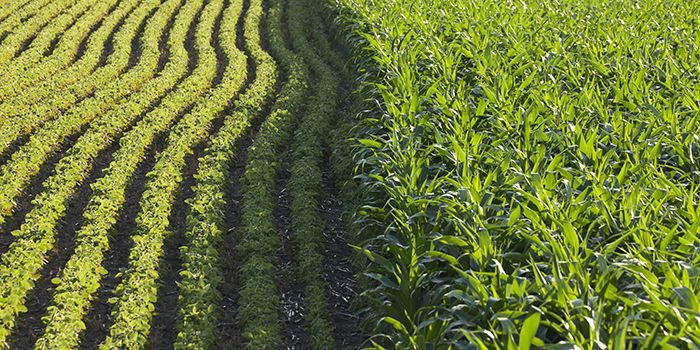
USDA Crop Progress Report: Corn Advances While Soybean and Pasture Conditions Hold Steady
The USDA weekly Crop Progress Report, released Monday, showed corn conditions holding steady week-over-week while soybean ratings slipped slightly, with both pacing behind last year’s conditions. Crop development for both corn and soybeans remains ahead of last year's pace and the five-year average as the growing season pushes toward late-summer maturity stages.
StoneX Survey Suggests Demand May Outweigh Big Crop Supplies
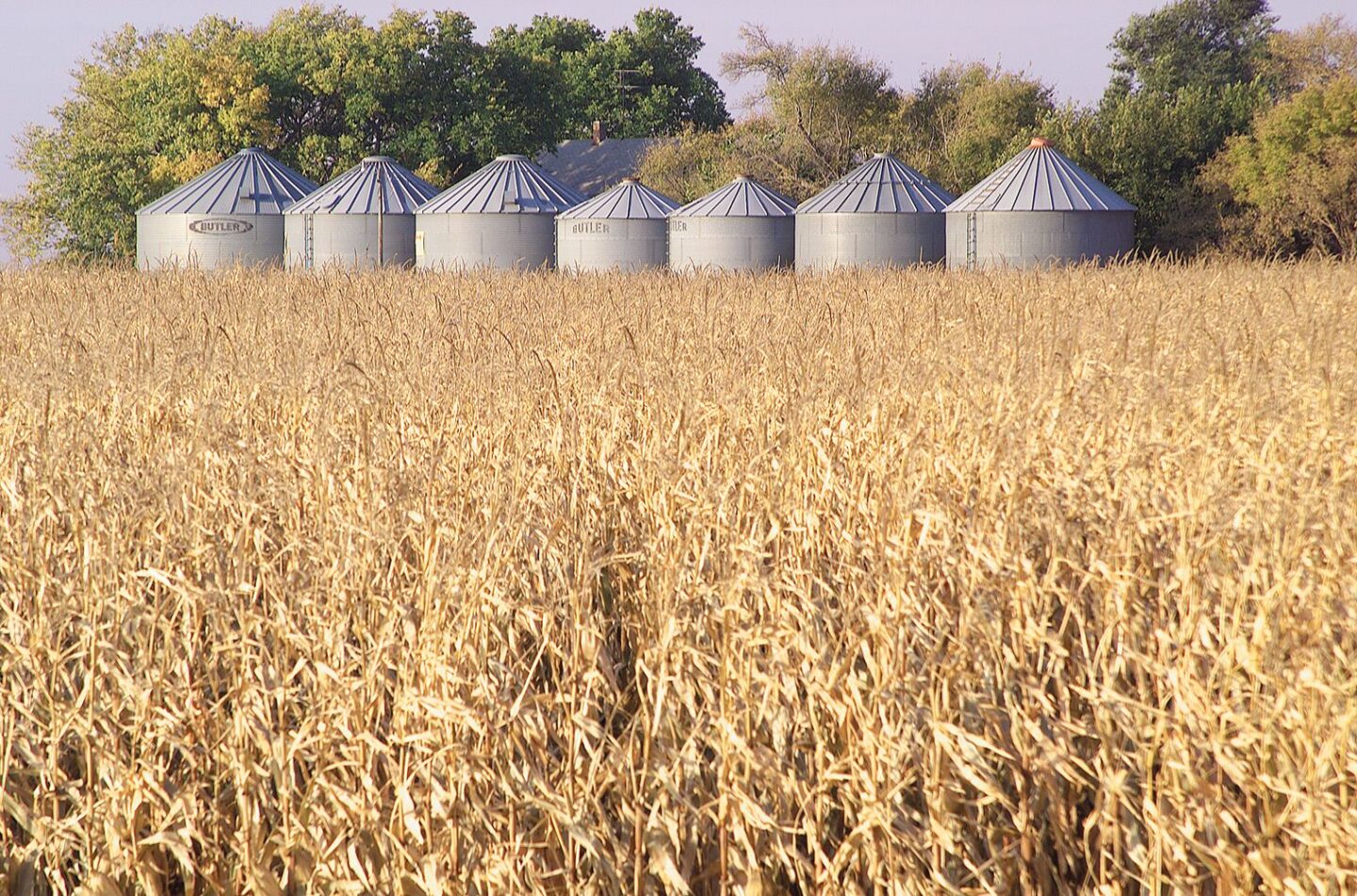
StoneX's first crop survey points to another year of strong U.S. corn and soybean production, but the analysis suggests supply may not be the biggest factor shaping markets. Instead, the article highlights growing demand in domestic processing and export opportunities as a key variable that could influence price direction despite expectations for a large harvest.

Senate Farm Bill Fails on 10-11 Vote as SNAP Dispute Splits Committee
The Senate Agriculture Committee did not advance Farm Bill 2.0 on Thursday, August 6, after the committee markup concluded without enough support to move the legislation forward. The vote failed 10-11 after members split over proposed changes to SNAP funding.
Decision Guide Could Help Farmers Maximize ARC-CO and PLC Benefits
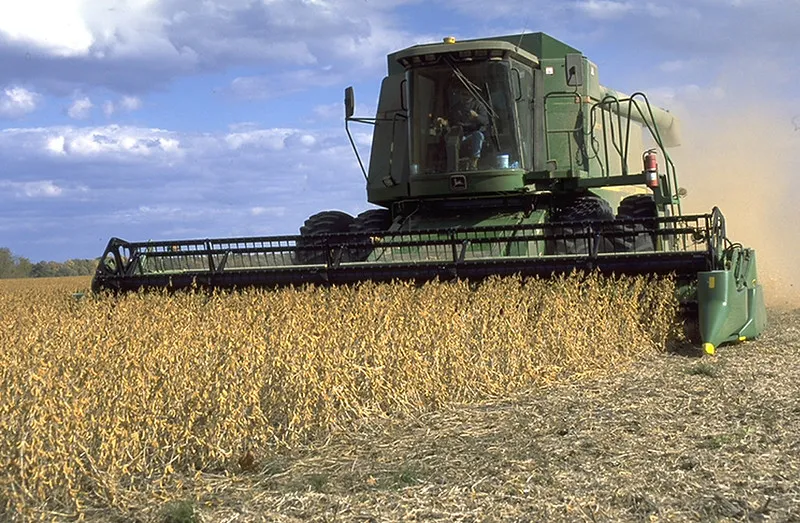
A new farmdoc analysis suggests farmers can improve future Agriculture Risk Coverage - County (ARC-CO) and Price Loss Coverage (PLC) program elections by using a straightforward decision framework based on historical payment outcomes. Researchers evaluated enrollment decisions made between 2021 and 2024 and found many farmers did not select the program that ultimately generated the highest payment, creating opportunities to improve future farm program elections.