
TOP AG NEWS

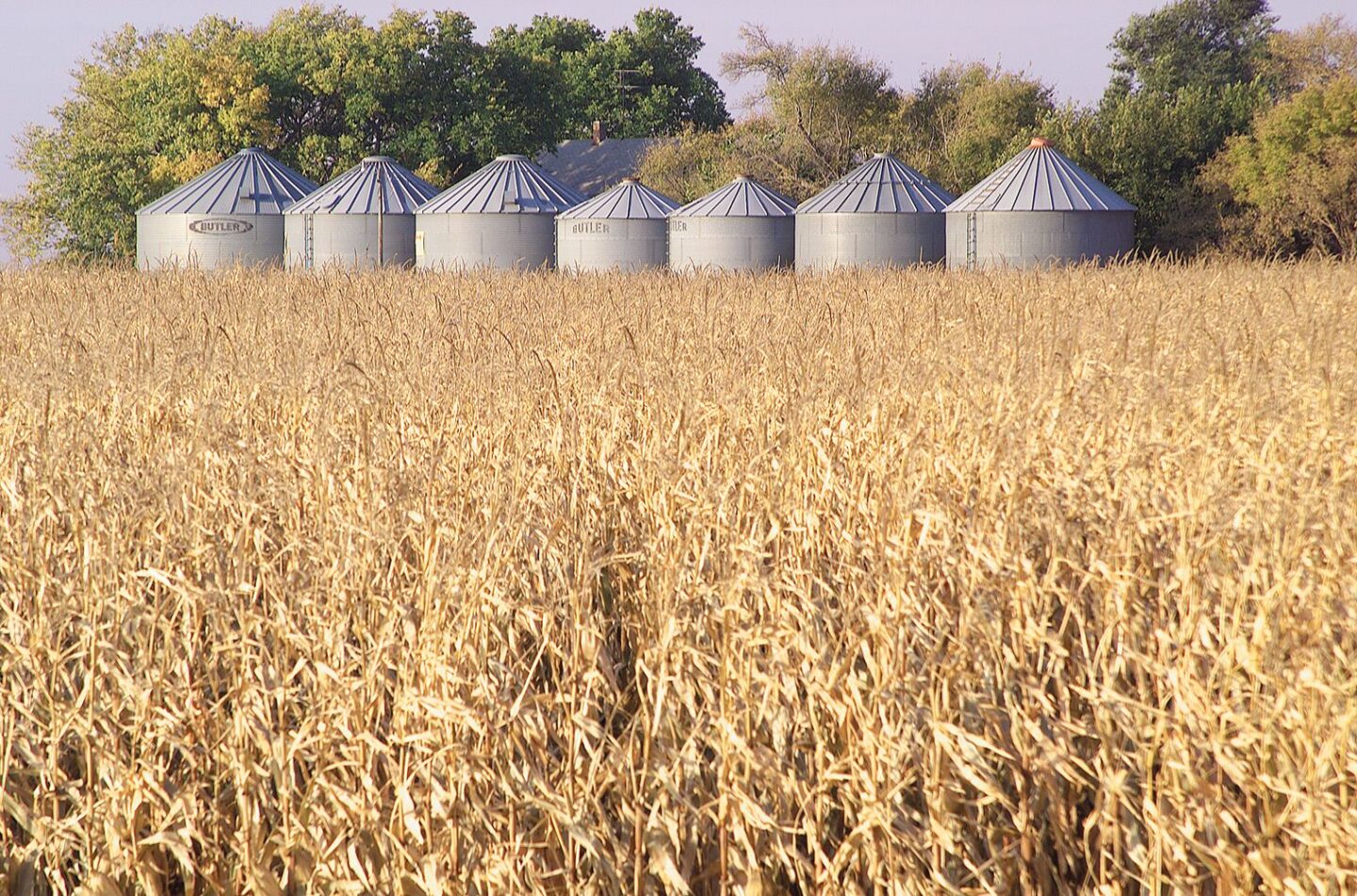
StoneX Survey Suggests Demand May Outweigh Big Crop Supplies
StoneX's first crop survey points to another year of strong U.S. corn and soybean production, but the analysis suggests supply may not be the biggest factor shaping markets. Instead, the article highlights growing demand in domestic processing and export opportunities as a key variable that could influence price direction despite expectations for a large harvest.

Senate Farm Bill Fails on 10-11 Vote as SNAP Dispute Splits Committee
The Senate Agriculture Committee did not advance Farm Bill 2.0 on Thursday, August 6, after the committee markup concluded without enough support to move the legislation forward. The vote failed 10-11 after members split over proposed changes to SNAP funding.
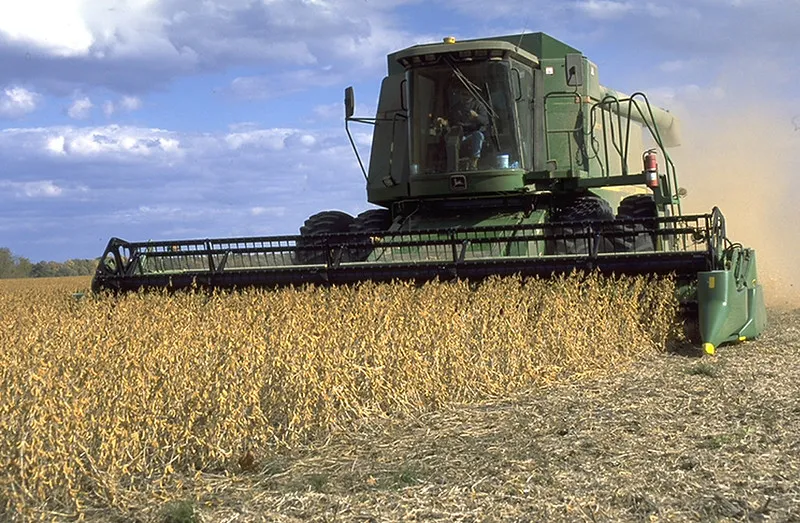
Decision Guide Could Help Farmers Maximize ARC-CO and PLC Benefits
A new farmdoc analysis suggests farmers can improve future Agriculture Risk Coverage - County (ARC-CO) and Price Loss Coverage (PLC) program elections by using a straightforward decision framework based on historical payment outcomes. Researchers evaluated enrollment decisions made between 2021 and 2024 and found many farmers did not select the program that ultimately generated the highest payment, creating opportunities to improve future farm program elections.

What Farmers Need to Know: 7 USDA, Market and Policy Updates
Congress, the USDA, and farm organizations kicked off August with several developments that could influence farm policy, livestock health, market outlooks, and producer support programs. From renewed momentum on the Senate farm bill to upcoming USDA deadlines and fresh cattle market data, here are seven stories worth keeping on your radar.
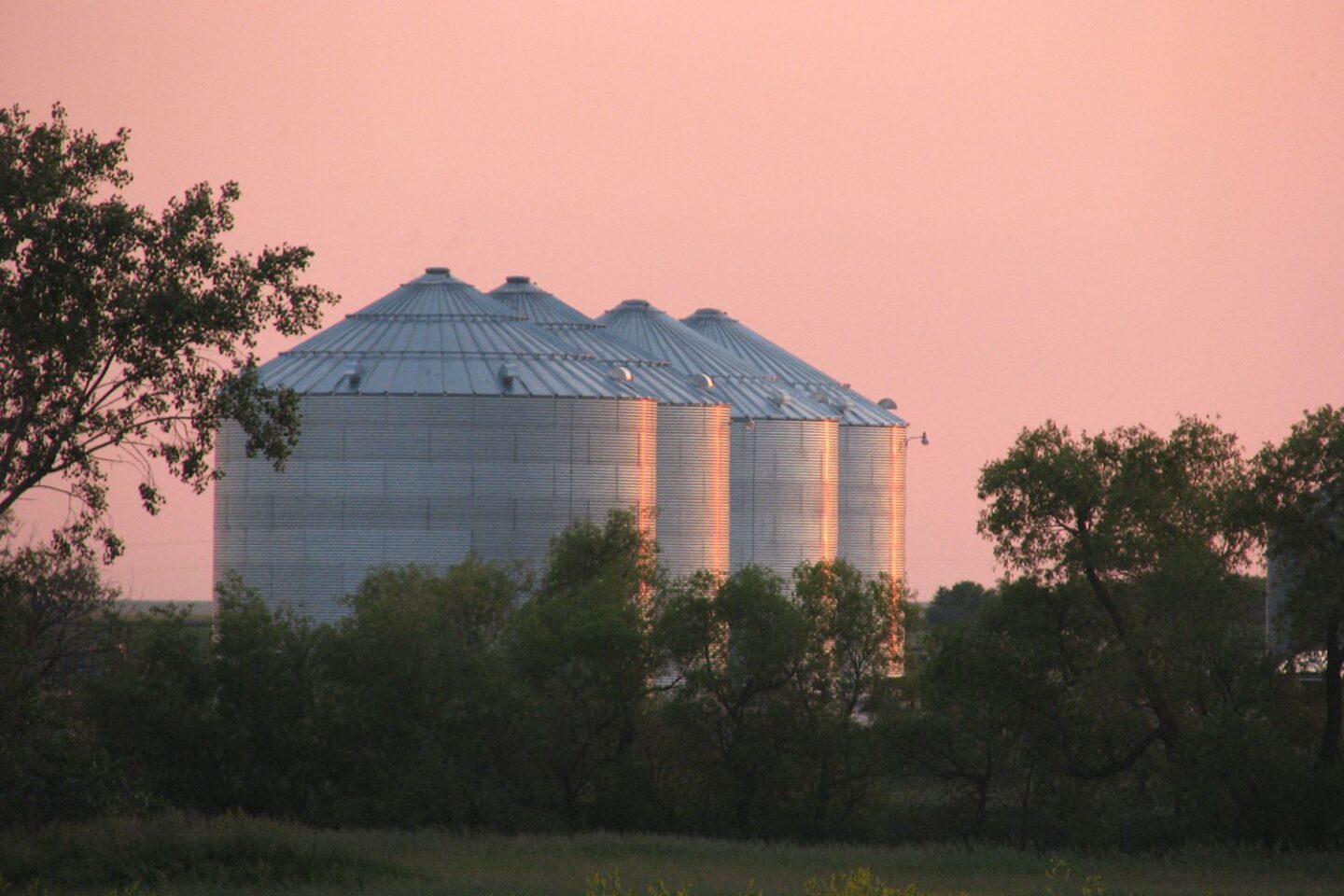
With Old-Crop Corn Stocks Up Year-Over-Year, Harvest Storage Comes Into Question
Old-crop corn stocks remain elevated heading into fall 2026, and with permanent grain storage construction slowing, growers and grain handlers are eyeing temporary storage as a short-term fix. The USDA's June 1 Grain Stocks report showed on-farm corn inventories up 16% from a year ago, while soft commodity prices have kept old-crop movement sluggish.
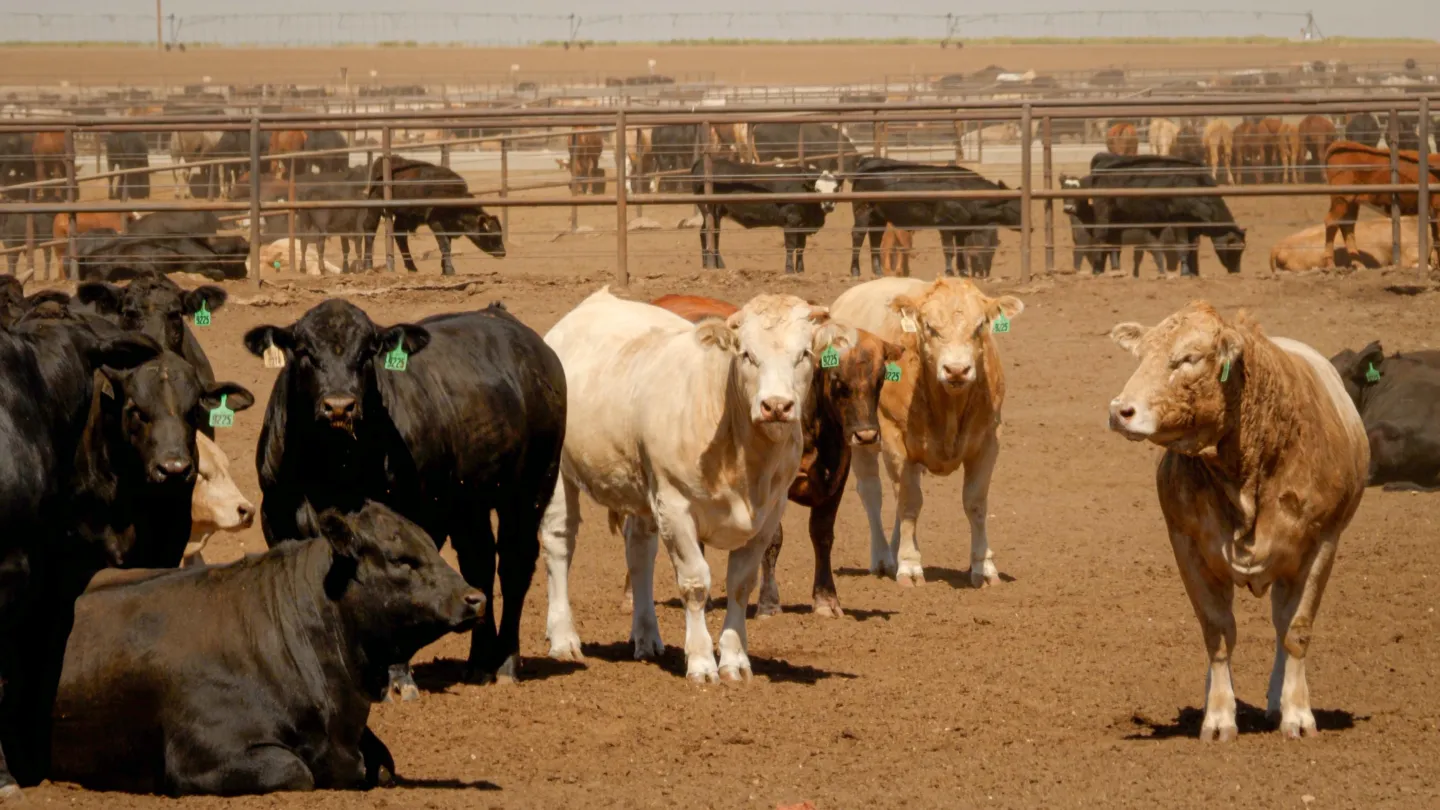
Cattle Losses Mount as Heat Index Tops 130 Degrees in Parts of the Plains
Dangerous heat and humidity are taking a serious toll on cattle across feedlots and pastures, with losses mounting from north to south despite stepped-up efforts to keep cattle cool. Heat index readings have climbed as high as 110 to 130 degrees in parts of Oklahoma and Nebraska this week, as Oklahoma State University livestock marketing specialist Dr. Derrell Peel noted the heat came on suddenly, giving cattle little time to adjust.
Cattle Industry Reacts to USDA’s Phased Border Reopening
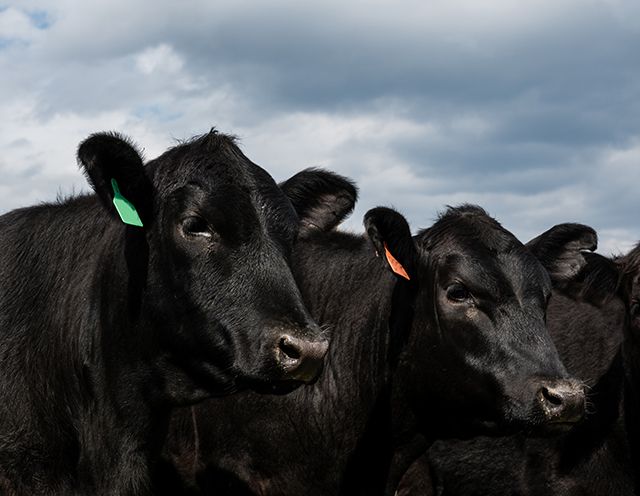
The USDA announced this past week that it will reopen ports of entry for Mexican cattle imports starting August 24, ending a yearlong suspension tied to concerns over New World screwworm. Industry groups have been largely supportive of the phased approach, which begins with Douglas, Arizona, followed by potential reopenings in Santa Teresa and Columbus, New Mexico.
USDA Crop Progress Report: Corn and Soybeans Conditions Slip, Winter Wheat Harvest Nears Completion
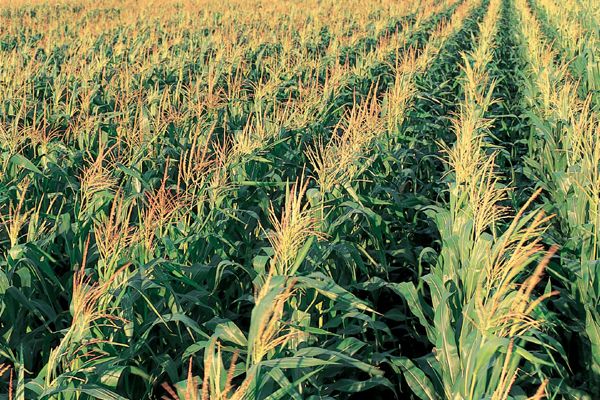
The USDA weekly Crop Progress Report, released Monday, showed corn and soybean good-to-excellent ratings both falling from the previous week, though crop development for both remains ahead of last year’s pace. Cooler weather last week is giving way to renewed heat and continued dryness, with only scattered showers expected through early August, per DTN Ag Meteorologist John Baranick.

USDA Reports: Cattle on Feed Up 2%, but Beef Cow Herd Continues to Shrink
Released on July 24, the latest USDA Cattle on Feed report showed 11.4 million head on feed as of July 1, up 2% from a year ago. June placements and marketings were both down 3% year-over-year, the lowest June marketings (1.66 million head) since the report series began in 1996.
U.S. Beef Exports Down 17% in 2026 as Tight Supplies and China Trade War Continues
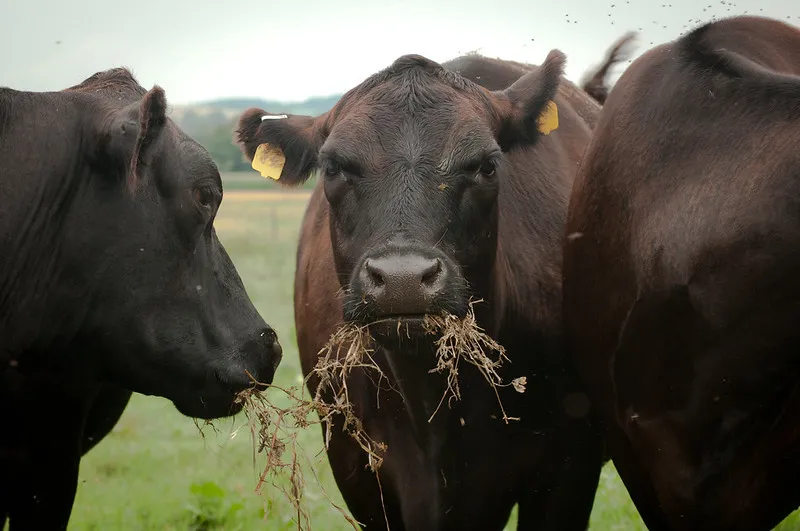
Total U.S. beef exports fell 17.2% year over year from January through May 2026, according to Oklahoma State University livestock marketing specialist Derrell Peel. This continues a decline of roughly one-third since the record export year of 2022.