
2016-2026: A Decade of New Risks, Record Acres and ProAg at 100
A Look Back as ProAg Marks 100 Years, For Generations
 By 2016, federal crop insurance covered 286 million acres and was already part of annual planning for producers nationwide. This decade brought trade disputes, a record prevented planting season, the COVID-19 pandemic, sharply higher input costs and the first H5N1 (highly pathogenic avian influenza) detections in U.S. dairy cattle. By 2025, insured acreage had nearly doubled to a record 561 million acres.
ProAg grew through two acquisitions during the same period, and Kendall Jones became president and CEO in 2017. By the time the company entered its 100th year, both the scale of crop insurance and the risks facing American agriculture looked very different than they had a century earlier. The purpose remained the same: help agents and policyholders put dependable protection in place before the season begins.
Crop Insurance and ProAg History, 2016-2026
ProAg acquired International Ag Insurance Solutions in 2017. Based in West Des Moines, Iowa, the managing general agent handled multi-peril crop insurance, crop hail and named peril coverage and managed $67.4 million in gross premiums in 2016. The acquisition increased ProAg’s premium volume and brought an experienced leadership team, employees and a strong group of independent agents into the company.
That summer brought another major leadership change. Michael Connealy moved into the chairman role, and Kendall Jones became ProAg’s president and CEO, effective June 30, 2017. Jones had joined ProAg in 2006 and served as executive vice president and chief operating officer before stepping into the top leadership position.
The 2018 Farm Bill changed several crop insurance rules. It allowed enterprise units to extend across county lines, created additional benefits for veteran farmers and ranchers and encouraged more specialty crop product development. The law also clarified that cover crops managed under federal guidelines could be recognized as a Good Farming Practice for crop insurance purposes.
ProAg completed its acquisition of AmTrust Agriculture Insurance Services on May 1, 2019. The Leawood, Kansas, managing general agent handled multi-peril crop insurance, crop hail, livestock and named-peril coverage, managing $103 million in gross premiums in 2018. The acquisition increased ProAg’s premium volume and brought an established team of employees and another strong portfolio of independent agents into the company.
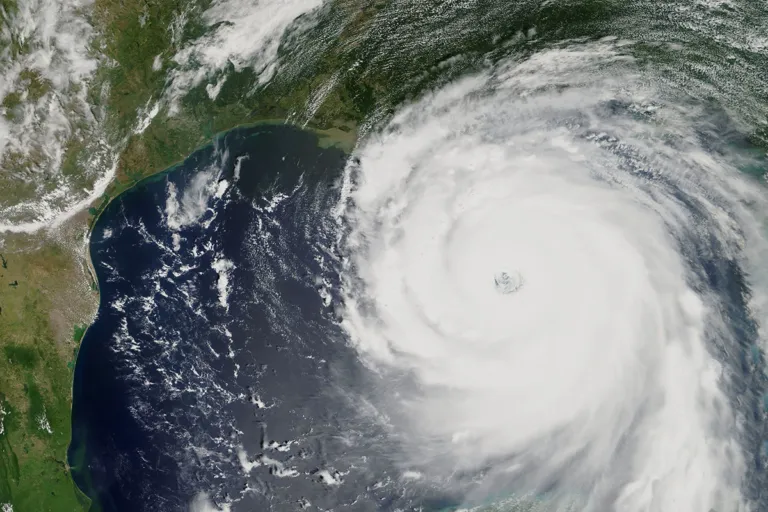 By 2020, federal crop insurance covered nearly 400 million acres and RMA introduced Hurricane Insurance Protection–Wind Index (HIP-WI). HIP-WI covered a portion of the underlying policy deductible when a county or adjacent county experienced sustained hurricane-force winds from a named hurricane.
Enhanced Coverage Option (ECO) became available in 2021, adding area-based protection for part of the underlying policy deductible. For eligible crops, ECO could respond when county-level yield or revenue fell below the selected threshold.
By 2025, farmers had purchased a record 2.54 million crop insurance policies covering 561 million acres. Those policies provided $159.3 billion in crop liability protection, while ranchers purchased another $40.2 billion in livestock coverage.
Federal changes enacted in 2025 also affected 2026 coverage. Beginning Farmer and Rancher eligibility expanded from five to 10 crop years, the premium subsidy for Supplemental Coverage Option (SCO) and ECO increased from 65% to 80% and Whole-Farm Revenue Protection (WFRP) added a 90% coverage level.
Crop and Livestock Income Protection (CLIP) became available for the 2026 crop year in select counties across 13 states. CLIP places umbrella revenue coverage over two or more Revenue Protection policies and can include eligible spring crops and weaned calves.
What Everyday Life Cost – 1926 Compared to 2026
For the final decade story, the price table returns to where the series began. The 1926 prices are the same figures used in the opening article. The current figures reflect the latest comparable data available through September 2026.
| Purchased Item | 1926 Price | 1926 Price in September 2026 Dollars | September 2026 Price* |
| Gasoline (per gallon) | $0.21 | ~$4.00 | ~$4.48 |
| Milk (per gallon) | ~$0.56 | ~$10.66 | ~$4.11 |
| Eggs (per dozen) | ~$0.53 | ~$10.09 | ~$2.27 |
| Average New Car Price | ~$600 | ~$11,400 | ~$50,560 |
| Median Home Value | ~$6,200 | ~$118,000 | ~$366,160 |
*The 2026 figures are a September snapshot because full-year 2026 data are not yet available. The 1926 vehicle and home figures are historical estimates or proxies. The current vehicle figure is an average transaction price, and the current housing figure is Zillow’s typical U.S. home value, so those two rows provide directional rather than exact methodological comparisons.
A century later, gasoline, milk and eggs remained below their 1926 inflation-adjusted equivalents in this September snapshot. Vehicles and housing tell a different story, with current prices well above the adjusted figures from the year ProAg began.
Presidents and National Leadership During the Decade
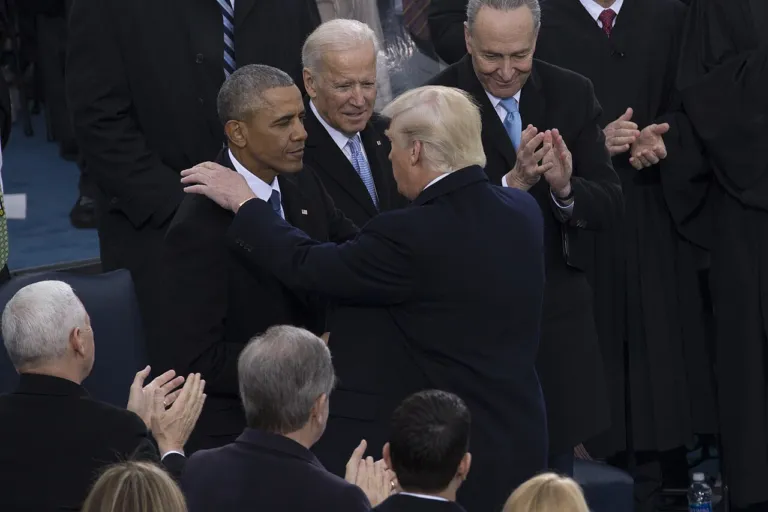
President Donald J. Trump shakes hands with the 44th President of the United States, Barack H. Obama during the 58th Presidential Inauguration at the U.S. Capitol Building, Washington, D.C., Jan. 20, 2017.
Three presidents served during a period of trade disputes, pandemic recovery, rising production costs and continued changes to federal crop insurance.
- Barack Obama (2009-2017) served through the opening of this period as USDA continued implementing the 2014 Farm Bill. Producers were also adjusting to lower commodity prices and farm income after the highs reached earlier in the decade.
- Donald Trump (2017–2021 and 2025-Present) signed the 2018 Farm Bill during his first term. Trade disputes and federal mitigation programs also affected agricultural markets and farm income. After returning to office in 2025, he signed legislation that expanded beginning farmer crop insurance benefits and raised premium support for SCO and other area-based coverage.
- Joe Biden (2021-2025) served during the country’s recovery from the COVID-19 pandemic, the sharp increase in fertilizer and other production costs following Russia’s invasion of Ukraine and the first confirmed H5N1 detections in U.S. dairy cattle.
Defining American Events, 2006–2015
Many events from these years remain fresh in people’s memories.
- The World Health Organization declared COVID-19 a pandemic in March 2020, changing daily life, work and commerce across the country.
- Nationwide protests followed the death of George Floyd in Minneapolis in 2020.
- The U.S. Capitol was breached on January 6, 2021.
- Russia launched its full-scale invasion of Ukraine on February 24, 2022.
- Donald Trump returned to office as the 47th president of the United States in January 2025.
Federal agricultural and crop insurance policy also changed during this period.
- The 2018 Farm Bill expanded crop insurance options for veteran farmers, specialty crops, enterprise units and cover crop use.
- Hurricane Insurance Protection–Wind Index became available for the 2020 crop year.
- Enhanced Coverage Option became available for select crops beginning with the 2021 crop year.
- Federal legislation enacted in 2025 expanded beginning farmer benefits, increased support for SCO and related area-based products and added 90% Whole-Farm Revenue Protection coverage.
- Crop and Livestock Income Protection became available for select crops and weaned calves beginning with the 2026 crop year.
Agriculture Faces Trade, Weather and Disease
Agricultural markets felt the effects of trade disputes during 2018 and 2019. Six trading partners placed retaliatory tariffs on U.S. agricultural and food products, creating estimated annual losses of $13.2 billion. Soybeans, sorghum and pork accounted for some of the largest losses, with much of the impact concentrated in the Midwest.

A wet, cold spring and widespread flooding prevented planting on more than 19.6 million acres in 2019. Federal crop insurance paid roughly $4.26 billion in prevented planting claims tied to flooding and excess moisture, along with $580 million in additional prevented planting payments.
The COVID-19 pandemic disrupted farms, processors, restaurants and food supply chains in 2020. Meatpacking plants reduced or suspended operations as workers became ill, seasonal labor became harder to secure and demand shifted quickly from foodservice to retail markets.
That same year, an August derecho tore across the Midwest during the growing season. The storm damaged an estimated 37.7 million acres of farmland. It caused more than $11 billion in total damage, making it the costliest thunderstorm event recorded in the United States at that time.
Production costs rose sharply in 2022. Average fertilizer expense for corn reached $225.78 per acre, an 89% increase from 2021. Russia’s invasion of Ukraine also pressured global fertilizer, grain and energy markets during the same period.
H5N1 (avian flu) reached U.S. dairy herds in 2024. USDA confirmed the first detection in dairy cattle on March 25, bringing new testing, movement and biosecurity requirements as the virus spread to herds in multiple states.
The decade ended with record crop production. U.S. farmers produced 17 billion bushels of corn in 2025, with a record national average yield of 186.5 bushels per acre. Soybean yields also reached a record 53 bushels per acre.
A Century Behind Us, The Next Season Ahead
When ProAg’s story began in 1926, there was no federal crop insurance program. By 2025, farmers had purchased 2.54 million crop insurance policies covering 561 million acres, with more than $199 billion in crop and livestock protection. The scale had changed beyond recognition from the days when Jess Latham Sr. rode horseback to help farmers insure their risks.
ProAg enters its 100th year with a wider range of products, continuing investments in technology, agent events to strengthen your business and the support of Tokio Marine HCC. Policyholders, agents and ProAg team members built that century one season at a time. Even with all that has changed, the work still begins with an agent and a producer reviewing the operation, deciding what protection should be in place and being ready when a loss occurs.
The next 100 years start now, with ProAg ready to keep evolving with intention, innovating with purpose and growing stronger alongside the agents, farmers and ranchers we serve.